

Checklist
Getting your land ready to sell: a landowner checklist
Before your land is listed, find the paperwork, mark the boundaries, open the trails, gather what you know about the land and plan when it's photographed.
By Jordan Johnson, Founder, Kedron Co.Updated 7 min read
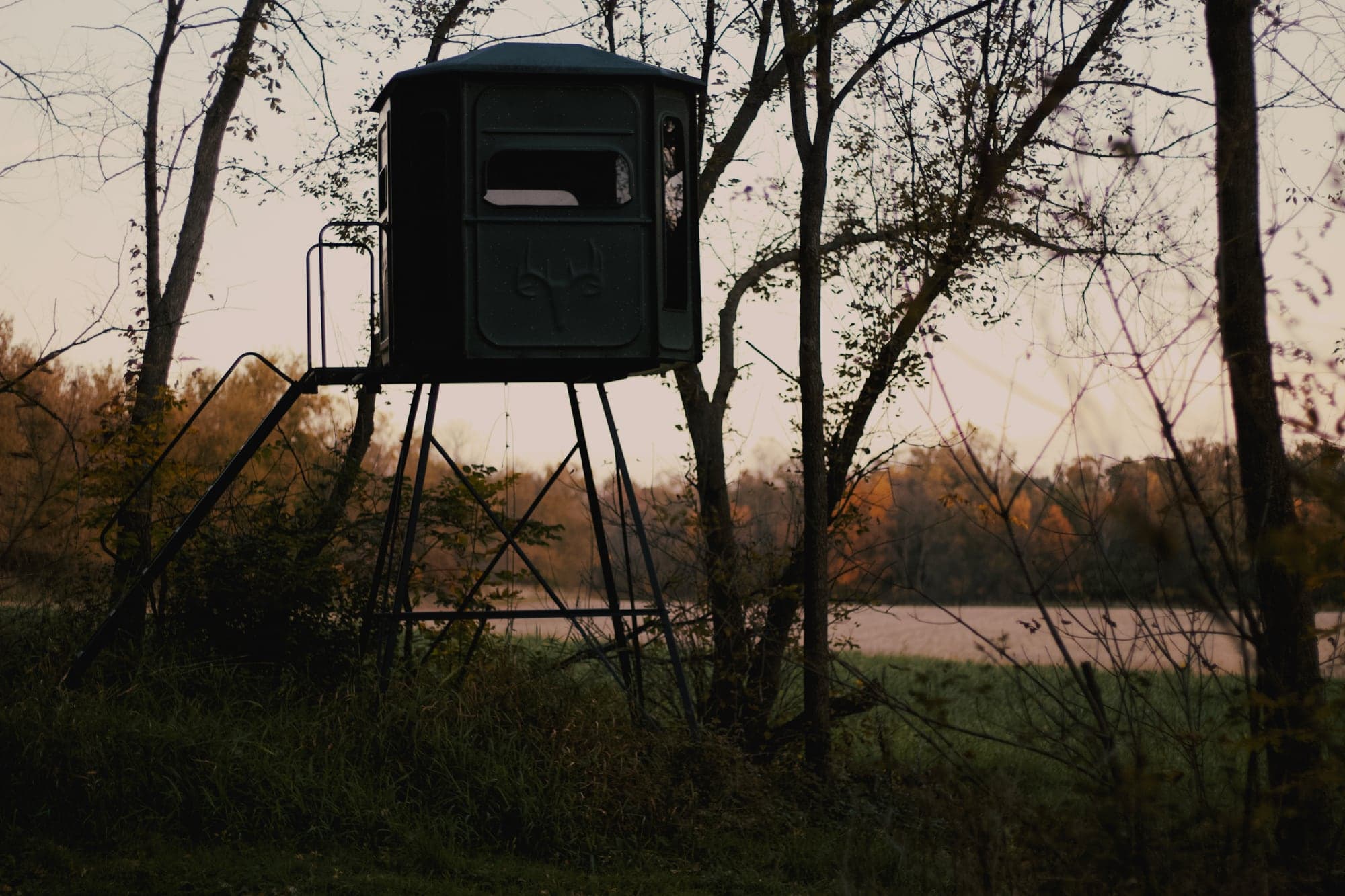
Getting your land ready to sell comes down to four jobs: find the paperwork a buyer will ask for, make the boundaries and access easy to see, open the trails so the land can be walked and filmed, and write down what you know about the place. Do them before your agent photographs the property, and the listing goes up complete instead of getting patched later.
Your agent may send you this page. Work through it at your own pace and hand them a copy of everything you find.
What paperwork should you find first?
Buyers, lenders and attorneys will ask for these. Having them in one folder before listing keeps the sale from stalling while someone hunts for a document.
- The deed. The legal description tells your agent exactly what's for sale.
- Any survey or plat. If you're selling only part of the land, a survey may be required. In Iowa, the grantor of land divided using a metes and bounds description must have a plat of survey made of the division (Iowa Code 354.4, 2026). Do you need a survey to sell land? covers Minnesota and Wisconsin too.
- Property tax statements for the last two years. Buyers want to know the carrying cost.
- Every lease. Farm leases, hunting leases, pasture agreements. If a lease was never written down, write down its terms as you understand them: who, what acres, the rent, when it started, and how it ends.
- Program contracts and orders. A CRP contract, a Wisconsin Managed Forest Law order and management plan, a Minnesota SFIA covenant or 2c classification. Note the end date of each.
- Easements and access agreements. Anything that lets someone else cross your land, or lets you cross theirs.
- Well and septic records. Location, age, and whether any old well was sealed.
- Farm records. Your FSA farm records, soil maps, tile maps, yields and rent history for tillable ground.
- Timber records. Past harvests, with dates, and any forester's report.
What do state rules ask sellers to disclose?
Each state has its own disclosure and recording rules. These are the ones landowners most often hear about late. Your attorney will tell you exactly what applies to your sale.
| State | What to know | Source |
|---|---|---|
| Minnesota | Before signing an agreement to sell, the seller must disclose in writing the status and location of all known wells. A well disclosure certificate goes with the deed, or the deed states the seller doesn't know of any wells. The recorder collects a $54 fee for the certificate. | Minn. Stat. 103I.235, 2025 |
| Minnesota | Before signing a sale agreement, the seller must disclose in writing how sewage is managed on the property, including the location of any known abandoned system. | Minn. Stat. 115.55, 2025 |
| Wisconsin | An owner who transfers land that doesn't include any buildings completes a Vacant Land Disclosure Report, covering environmental matters, wells, septic and storage tanks, taxes and permits, and land use. | Wis. Stat. 709.033, 2025 |
| Iowa | A groundwater hazard statement goes with the deed unless none of the listed conditions exist (burial sites, wells, solid waste disposal sites, underground storage tanks, hazardous waste, private sewage systems). If none do, the deed can say so instead. | Iowa Code 558.69, 2026 |
Walk the land with these in mind. An old well pit by a fallen-in farmstead, a trash dump in a ravine or a buried tank is far easier to deal with now than in the middle of a closing.
Is a lease going to affect the sale?
A lease can shape who buys your land and when they can use it. Many farm buyers want to farm what they buy, and many hunting buyers want to hunt it the first fall. Check how each lease ends before you list.
- Iowa farm leases renew automatically unless written notice is given by September 1. Proper notice ends the lease the following March 1, and notice sent by mail must go by certified mail before September 1 (ISU Center for Agricultural Law and Taxation, Aug 30, 2024).
- Wisconsin agricultural tenancies from year to year require at least 90 days' notice (Wis. Stat. 704.19).
- Minnesota rules are different from Iowa's. Don't assume the Iowa September 1 date applies.
- Hunting leases end however the lease says they end. Find the terms.
Talk to your attorney before you send any notice. The deadlines in all three states are compared in farm lease termination deadlines in MN, WI and IA.
How do you get the boundaries and access ready?
Buyers want to see where the land starts and stops, and how they'd get in.
- Find the corners. Walk the lines and look for survey pins or monuments. Flag the ones you find so your agent can photograph and map them.
- Note where fences don't match the line. Don't move anything. Just tell your agent where the fence and the legal line disagree, and by roughly how much.
- Check the gate and the field approach. Make sure the gate opens, the lock works and a truck can get through.
- Confirm access on paper. If you reach the land over someone else's property, find the recorded easement. A handshake arrangement with a neighbor isn't access a buyer can rely on.
How should the trails and the ground look?
Buyers decide a lot from photos and film. A property that can be walked easily also shows better on camera.
- Mow or clear the main trails and the access lane. Enough that a buyer can walk them and a camera can follow them.
- Clear deadfall off the trails. Not out of the timber, just off the paths.
- Pick up trash and old equipment. Rusted fencing, old stands, tires, a burn pile.
- Decide what stays. Stands, blinds, a gate, a trail camera, a shed. Tell your agent which items go with the land.
- Ask before bigger work. Don't harvest timber, clear brush with a dozer or drain a wet spot before talking to your agent. Some work adds little to value, and some breaks program rules. Wisconsin MFL land, for example, requires a cutting notice before any harvest (Wisconsin DNR).
What should you write down about the land?
You know things about the land no photo shows. Write them down now, while you have time.
- Trail camera history. Keep the original files so the dates stay with them, and note where each camera sat. Dated photos from the same spot over several years say more than one big buck.
- Harvest and hunting history. What's been taken, from which stands, and in which seasons.
- Food plots and planting. What you planted, where, and when.
- Water. Springs, the creek, ponds, and the spots that stay wet in spring.
- Improvements. Tile, culverts, wells, fence, power, with the year each went in.
- Neighbors. Who owns the land around you, what they use it for, and any public land nearby.
- The family history, if you want it told. When the land came into the family and anything a buyer would want to know about its past.
When is the best time to photograph land for sale?
Photograph the land when the ground, the access and the water are easy to see. For most farm and hunting land in Minnesota, Wisconsin and Iowa, that usually means after harvest or in early spring before green-up, without deep snow. Elizabeth Strom, a farm manager and broker with Murray Wise Associates, told Farm Progress in 2024: "Generally, the best time to sell farms is outside the growing season because that's when the most money is in the market" (Farm Progress, Sept 10, 2024).
Plan these with your agent:
- When the photos, drone and film will be shot, and what needs mowing or clearing before then
- Whether a lease or program end date should set the listing date
- Rules for showings during deer season, if the land is hunted
Which questions should go to a professional?
Your agent can raise these questions, but the answers belong to the right professional:
- Attorney: ending a lease, easements, and how program payments are split in the purchase agreement.
- Accountant or tax advisor: the tax on your sale, and whether a like-kind exchange fits your plans. 1031 exchanges for landowners explains the basic rules and what to ask.
- Surveyor: any split, any boundary question, and any fence line that doesn't match.
- County FSA office: what happens to a CRP contract when the land sells.
- Wisconsin DNR forester (MFL): transfer rules for Managed Forest Law land.
- Minnesota Department of Revenue (SFIA): the covenant stays with the land when it sells, and you notify Revenue in writing within 60 days after the title transfers. The forest management plan is registered with the DNR (MN Revenue, SFIA FAQ).
- Your county assessor (Minnesota 2c managed forest land): the counties administer this classification. A new owner must apply again, with a forest management plan registered with the DNR in their name (MN Revenue, Class 2c Managed Forest Land).
Once the folder is together, give your agent a copy and walk the land with them. If you're still deciding on price, what is my land worth explains why the published averages and the price your agent suggests can differ. More on how land is marketed is on the marketing land page.