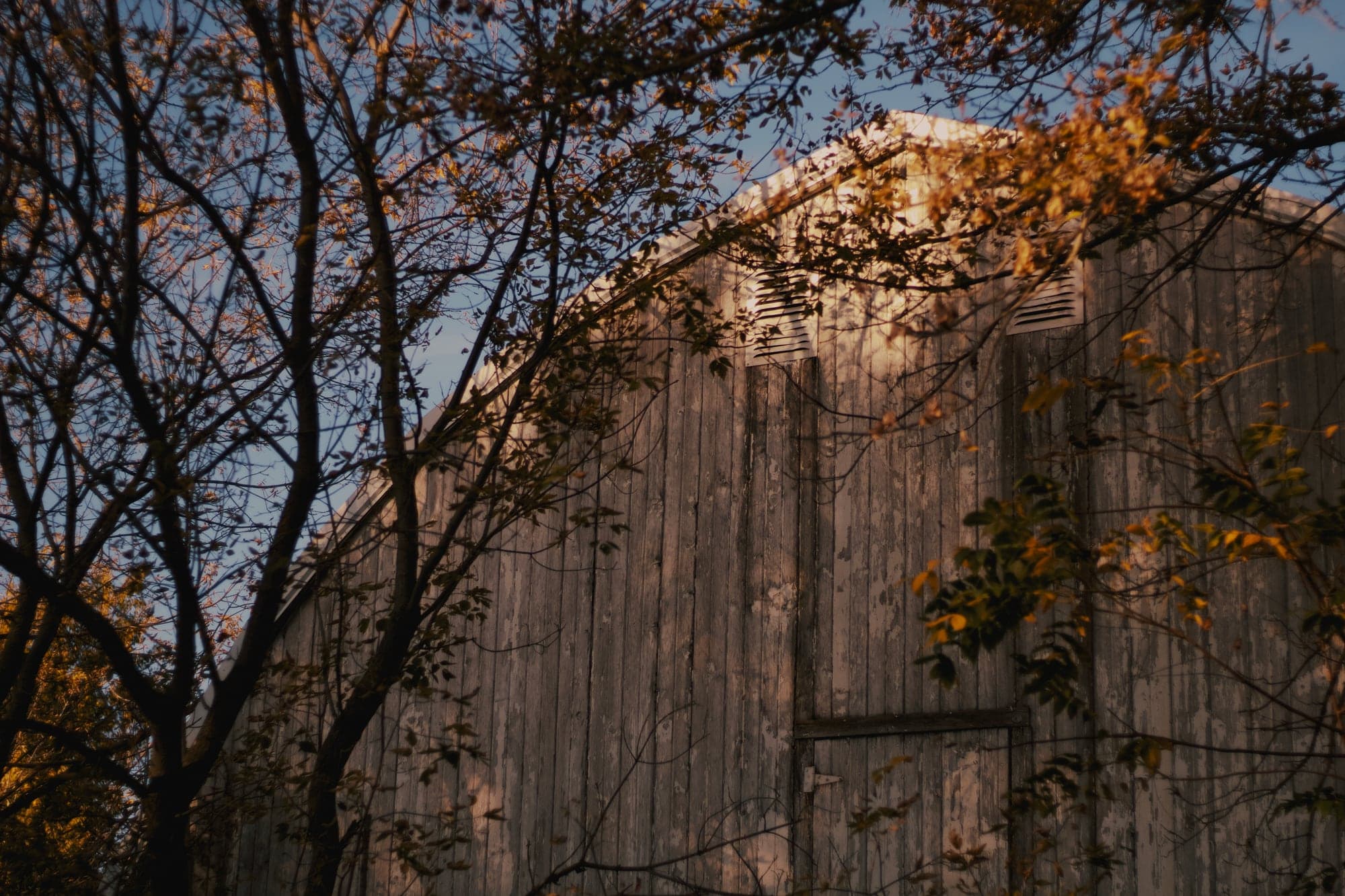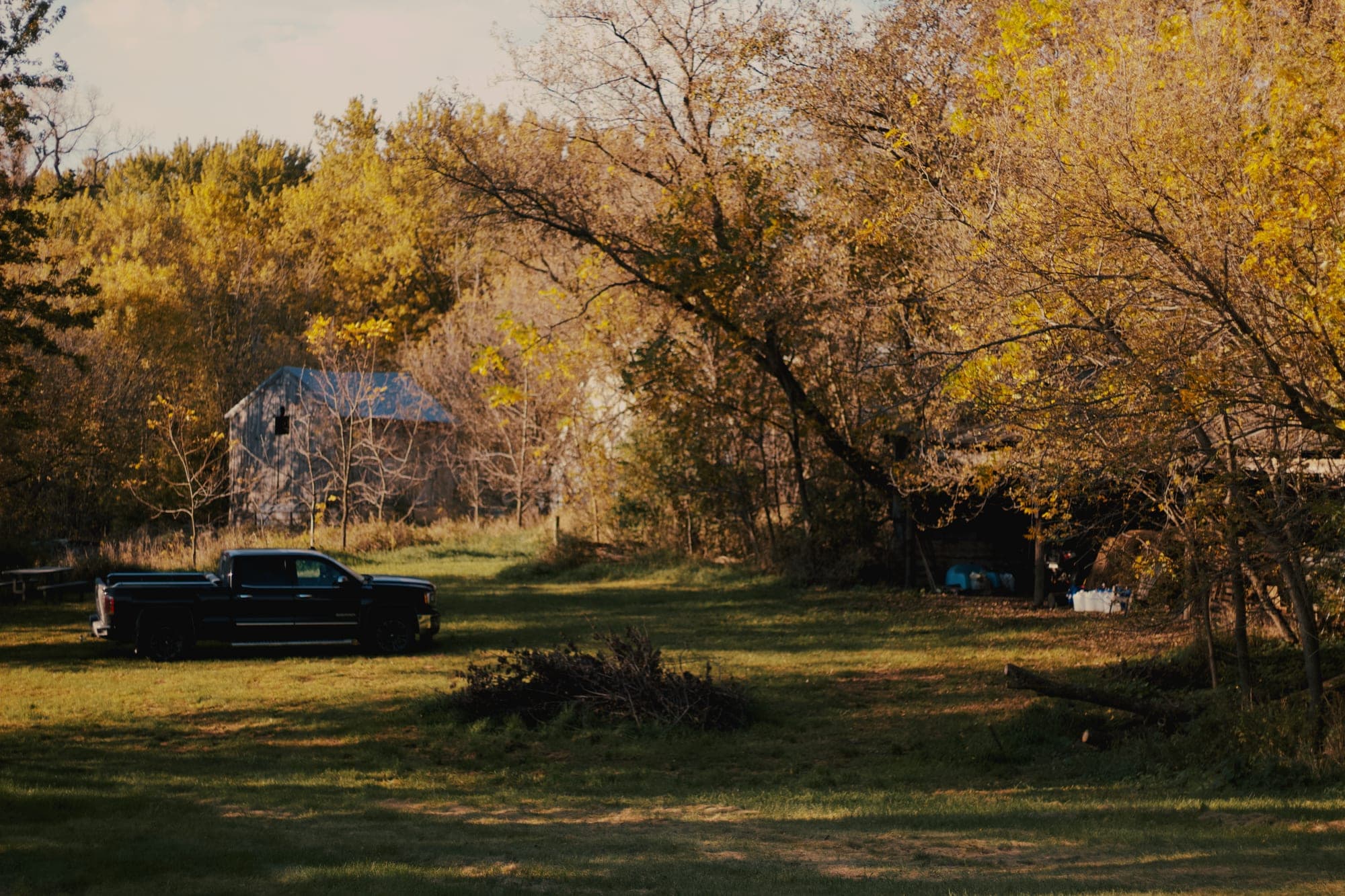

Guide
How to tell a landowner their land is overpriced
Tell them early, in person and with proof: comparable sales per acre with sale counts, why their number doesn't fit their ground, and what sitting unsold costs.
By Jordan Johnson, Founder, Kedron Co.Updated 8 min read
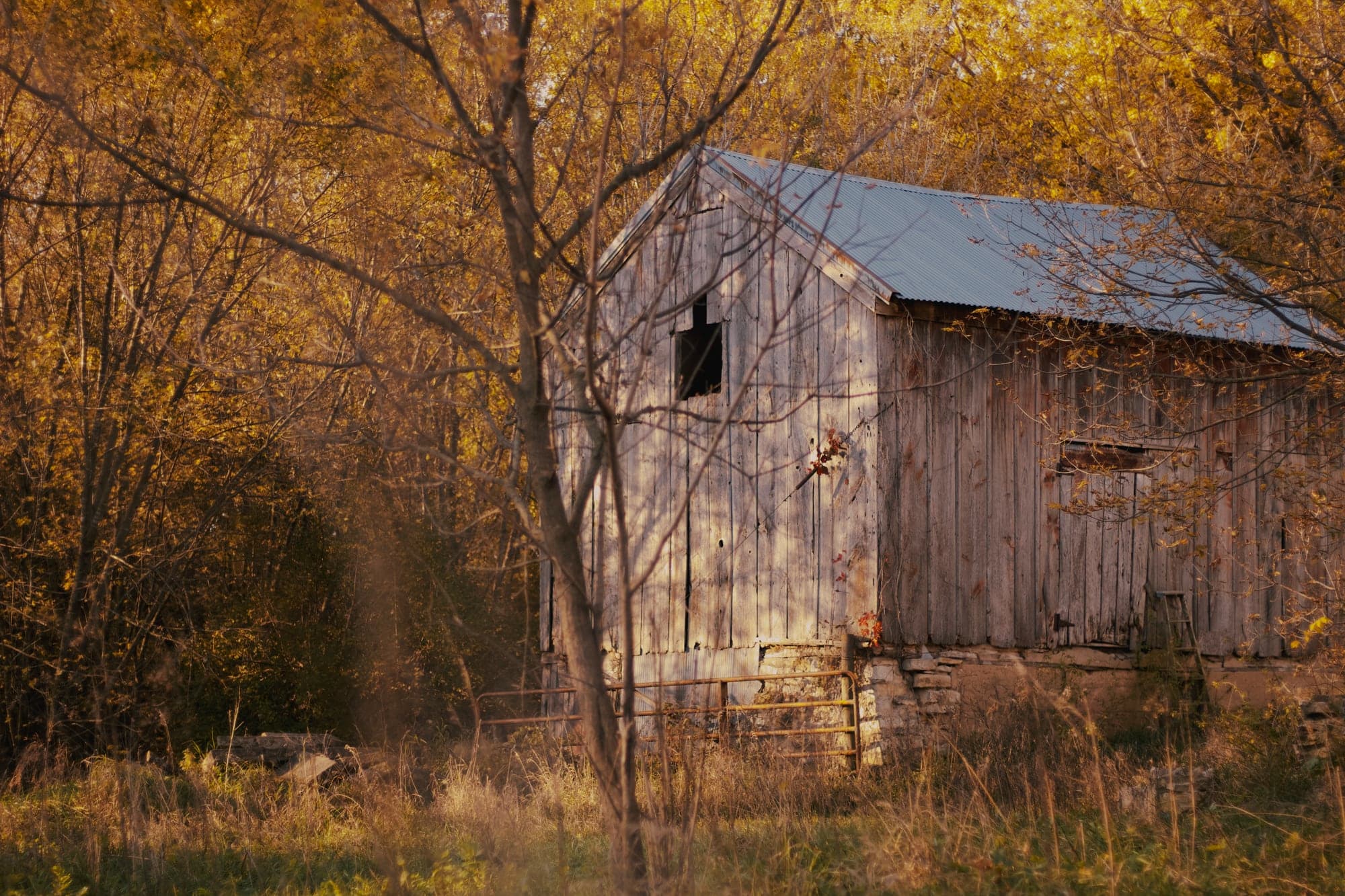
Tell a landowner their land is overpriced early, in person and with the sales that prove it: show the closest comparable sales per acre with their dates and sale counts, explain why the number they heard doesn't fit their ground, and put a figure on what another season unsold would cost. Say it plainly. The owner will respect a straight answer more than a listing that sits.
Why say it at the listing appointment?
The easiest time to set the right price is before the listing goes live. Once it's on the market at the wrong number, every week without a showing makes the conversation harder, and the listing gets stale in front of the buyers who watch your county.
Land that sells tends to sell early. In the REALTORS Land Institute and NAR survey of 2023 land transactions, "most land sold within 60 days" and 25% of transactions closed in under 30 days (RLI, April 1, 2024). Those first weeks are when the buyers watching your county look hardest. An overpriced parcel spends them getting skipped.
Taking an overpriced listing to win it, and planning to fix the price later, risks an expired listing and a seller who blames the marketing. If you do the pricing work in the listing presentation, you only have this conversation once.
Where do landowners get their number?
Before you argue with a number, find out where it came from. The source usually tells you why it's wrong.
| Where the number came from | Why it may not fit their land |
|---|---|
| A neighbor's sale | Different acres, soils, access or timing. Often the best tillable ground in the township, not the wooded ridge next to it. |
| A USDA or university average | A statewide average across very different land. |
| A cash offer letter | Anchored high to get a call back, or low to buy cheap. |
| Auction results in the paper | Top tillable ground at a competitive auction. Rarely comparable to hunting land. |
| What they need to net | A real number for them, and not a number a buyer pays for. |
| What they paid plus improvements | Food plots, a shed and a trail system rarely add back dollar for dollar. |
Why statewide per-acre averages mislead
Most overpricing starts with a per-acre number that describes different land. Wisconsin is a good example, because four credible sources give four different figures:
| Wisconsin figure | Per acre | Source |
|---|---|---|
| Farm real estate value, 2026 | $6,700 | USDA NASS Land Values, July 2026 |
| Agricultural land price, 2025 | $7,238 | UW-Madison Extension, May 2026 |
| Farmland without buildings sold and kept in ag, 2025 (497 sales) | $9,057 | USDA NASS Wisconsin Agricultural Land Sales, 2025 edition |
| Forest land sold and kept in forest use, 2025 (902 sales) | $3,952 | USDA NASS Wisconsin Forest Land Sales, 2025 edition |
None of these is wrong. They measure different things: a survey-based value of all farm real estate, a price series built from recorded sales, farmland only, and forest land only. A seller with 60 wooded acres who heard "$9,000 an acre" heard the farmland number.
The per-acre traps on hunting and mixed ground
County matters more than state
Wisconsin forest land that sold and stayed in forest use in 2025 averaged $8,230 an acre in Buffalo County (21 sales) and $1,649 in Price County (30 sales), per USDA NASS. Same state, same category, five times the price. Always show the sale count with the price. A county figure built on six sales can swing on one unusual one. Wisconsin wooded and hunting land prices by county has the full table.
Quality matters more than the average
In Iowa, ISU's 2025 Land Value Survey, released December 2025, put the statewide average at $11,549 an acre as of November 1, 2025, but the spread by quality is wide:
| Iowa land quality (ISU 2025 survey) | Value per acre | Average CSR2 |
|---|---|---|
| High | $14,030 | 83 |
| Medium | $10,809 | 70 |
| Low | $7,580 | 55 |
Timber is different again. The REALTORS Land Institute's Iowa chapter put timber at $4,850 an acre statewide in its March 2026 survey. An Iowa owner with 40 tillable acres and 80 acres of timber and draws who multiplies 120 by the state average has overpriced the timber by thousands of dollars an acre. CSR2 and price per acre in Iowa explains how buyers read the soil rating.
Price mixed ground by the piece
For a parcel that's part tillable, part timber and part CRP or pasture, price each part against its own sales, then add them up. Show the seller the math. It turns "your price is too high" into "here's what each part of your land is selling for."
Know which acres the number counts
A price "per acre" can mean per deeded acre, per tillable acre or per surveyed acre. Wingert Land Services reported a 76.57-acre Blue Earth County, Minnesota hunting and recreational sale at "$4,375 per deeded acre" (June 2026). When a seller quotes a comparable sale, ask which acres it was counted on.
Bigger isn't always more per acre
Large tracts can have fewer buyers who can afford them. The same Wingert update noted that "many hunting and recreational buyers are looking for smaller properties that fit their budget" and that for larger tracts "the number of qualified buyers may be more limited."
What the market data says as of fall 2026
A seller who's heard that land "always goes up" should see the current surveys:
- Chicago Fed (its district includes Iowa and part of Wisconsin): good farmland values showed no change year over year in the second quarter of 2026, and fell 3.7 percent after inflation. Only 5 percent of lenders expected values to rise in the third quarter, 81 percent expected them to hold, and 43 percent said district farmland was overvalued (AgLetter, August 2026).
- Minneapolis Fed (includes Minnesota): non-irrigated cropland values fell 0.7 percent year over year in the first quarter of 2026, with Minnesota among the states that declined (Ag Credit Survey, May 2026).
- Iowa sales activity: 42 percent of respondents to ISU's 2025 Land Value Survey saw fewer sales in 2025 than the year before (ISU, released December 2025).
A flat market won't rescue an overpriced listing by catching up to it. The price has to fit the sales now.
How to have the conversation
- Ask first. "Where did your number come from?" Listen to the whole answer.
- Put the sales on the table. Three to six comparable sales, each with date, acres, land type, price per acre and a line on how it compares to their land.
- Name the gap in dollars. "Your number is $their price an acre. The wooded sales in this county over the last two years ran $low to $high." Specific and calm.
- Say what you'd list it at, and why. One number, and the two or three sales that support it.
- Explain what happens at their number. Fewer inquiries, more days on market, a price cut later, and buyers who remember the cut.
- Stop and let them respond. Don't fill the silence with concessions.
Plain language helps: "I'd rather tell you this now than have you find out in six months."
What does sitting unsold cost?
Put the cost of an overpriced listing in their terms, using their own numbers where you can:
- Another year of property taxes. Use their tax bill.
- Another year of carrying the money. If they plan to pay off debt or buy other land with the proceeds, money has a cost. Ag lenders' average farm real estate loan rate was 6.79 percent in the second quarter of 2026 (Chicago Fed, August 2026). On a $400,000 sale, a year at that rate is $27,160.
- A missed season. Hunting land that closes after the fall is land the buyer can't hunt until the next year, which changes what that buyer will pay and when.
- A lease decision. In Iowa, farm tenancies continue unless written notice is served before September 1 (Iowa State CALT). A listing that drags past that date can push delivery of possession back a full year.
- A stale listing. Buyers who watch your county see how long it has been on the market.
When the seller won't move
Sometimes the owner hears all of it and keeps the number. You have three honest options:
- Decline the listing. Say why, leave the sales with them, and ask if you can check back in a few months.
- Take it with a price review in writing. A shorter listing term, and a date agreed at signing, such as 45 or 60 days after launch, when you'll sit down with the activity report and decide on the price together.
- Take it at their number with a reduction schedule. Agreed at signing, so the price cut is a plan and not a surprise.
What you shouldn't do is take it at their number with no plan to revisit it. That's the path to an expired listing, and an expired listing is the one another agent comes to win. Winning an expired land listing covers it from that agent's side.
The next step
Before your next listing appointment, pull the last 24 months of sales in that county by land type, with counts, and bring them printed. If the owner's number is high, you'll have the answer in your hand. More on winning listings is in the winning listings library.